
Construction Costs Rise 27% Annually: Scenarios for Developers and Buyers by the End of 2026
As Türkiye's housing market moves into the second half of 2026, rising construction costs are reshaping both developers' project strategies and buyers' purchasing decisions.
With construction costs increasing by approximately 27% year-on-year, expenses related to land, labor, materials and financing are becoming increasingly important in determining the final cost of residential projects.
The key question for the remainder of 2026 is how these rising costs will affect property prices, project development and buyer demand.
How Do Rising Construction Costs Affect Property Prices?
The selling price of a residential property is determined by more than the cost of land.
Construction materials, labor, energy, logistics, financing and other project expenses all contribute to the total development cost.
A 27% annual increase in construction costs can therefore put upward pressure on prices, particularly for new projects that are still under development or have not yet entered the market.
However, rising costs do not necessarily translate into an identical increase in property prices.
In areas where demand remains strong, developers may be able to pass a larger portion of their increased costs on to buyers. In markets where demand is weaker, developers may instead rely on payment plans, incentives and flexible sales strategies.
What Does the End of 2026 Mean for Developers?
For property developers, the key challenge will not simply be rising costs. The more important issue will be balancing development costs with sales velocity.
Three strategies may become increasingly relevant:
1. Higher selling prices:
Developers may increase prices to protect profit margins. However, prices that exceed local purchasing power may extend the sales period.
2. Flexible payment plans:
Instead of relying entirely on price reductions, developers may offer longer payment periods or alternative financing structures.
3. More controlled development:
Developers may increasingly focus on smaller, faster-to-complete projects with clearly defined target audiences.
As a result, the key question toward the end of 2026 may not simply be "How much will property prices increase?" but rather "Which projects can be sold at the right price and with the right payment structure?"
What Does It Mean for Property Buyers?
For buyers, rising construction costs send two important signals.
First, higher development costs may continue to create upward pressure on prices, particularly for new-build properties.
Second, this pressure will not necessarily affect every location and project in the same way.
Buyers should therefore look beyond the advertised price per square meter and consider:
Actual transaction prices in the area
Location and project quality
Construction and completion stage
Developer's track record
Payment terms and total financing cost
Rental potential
Local supply and demand
For properties under construction, the difference between today's purchase price and the potential market value at completion is particularly important.
Three Possible Scenarios for the End of 2026
Scenario 1: High costs and strong demand
If construction costs remain high while housing demand continues to grow, new residential projects may experience further upward price pressure.
Locations with limited land availability, strong infrastructure and good access to amenities could receive particular attention.
Scenario 2: High costs and weaker demand
If construction costs continue rising but buyer demand remains relatively weak, developers may focus more on promotions and payment flexibility rather than significant price increases.
In such a market, advertised prices may remain high while actual transaction prices provide greater room for negotiation.
Scenario 3: Construction cost growth slows
If the pace of construction-cost inflation slows toward the end of the year, developers may have greater visibility when pricing new projects.
This does not necessarily mean that property prices will decline. However, slower cost inflation could reduce the pressure for rapid price increases.
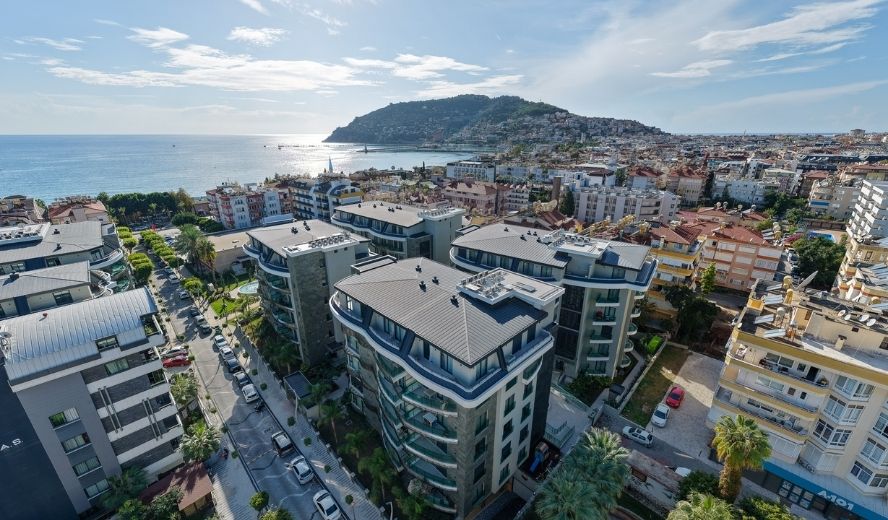
What Could Change in Antalya and Alanya?
In tourism-driven markets such as Antalya and Alanya, construction costs are only one part of the equation.
Foreign buyer demand, tourism performance, rental yields, land availability and new-project supply can also have a significant impact on property prices.
Projects close to the sea, central locations and developments offering strong social amenities may remain attractive where available supply is limited.
However, every project is different. Even within the same city, significant price differences can arise from location, project quality, completion date and payment conditions.
What Should Buyers and Developers Do?
As the final months of 2026 approach, data-driven decision-making will become increasingly important for both developers and buyers.
Developers will need accurate cost calculations, realistic pricing, controlled inventory and effective payment structures.
Buyers, meanwhile, should look beyond the question of whether prices will rise. The property's real market value, location, rental potential, completion risk and total acquisition cost should all be considered together.
Conclusion
The approximately 27% annual increase in construction costs is likely to remain an important factor in Türkiye's housing market through the remainder of 2026.
However, construction costs are only one part of the market equation. Interest rates, access to financing, consumer demand, land prices, foreign buyer activity and local supply-demand dynamics will also play significant roles.
Rather than relying on a single market scenario, buyers and developers should evaluate opportunities on a project-by-project and location-by-location basis.
For a property buyer, the most useful question may not simply be "Will prices rise?" but rather:
"Does today's price reflect the property's real value and future potential?"